
 (321) 242-7000


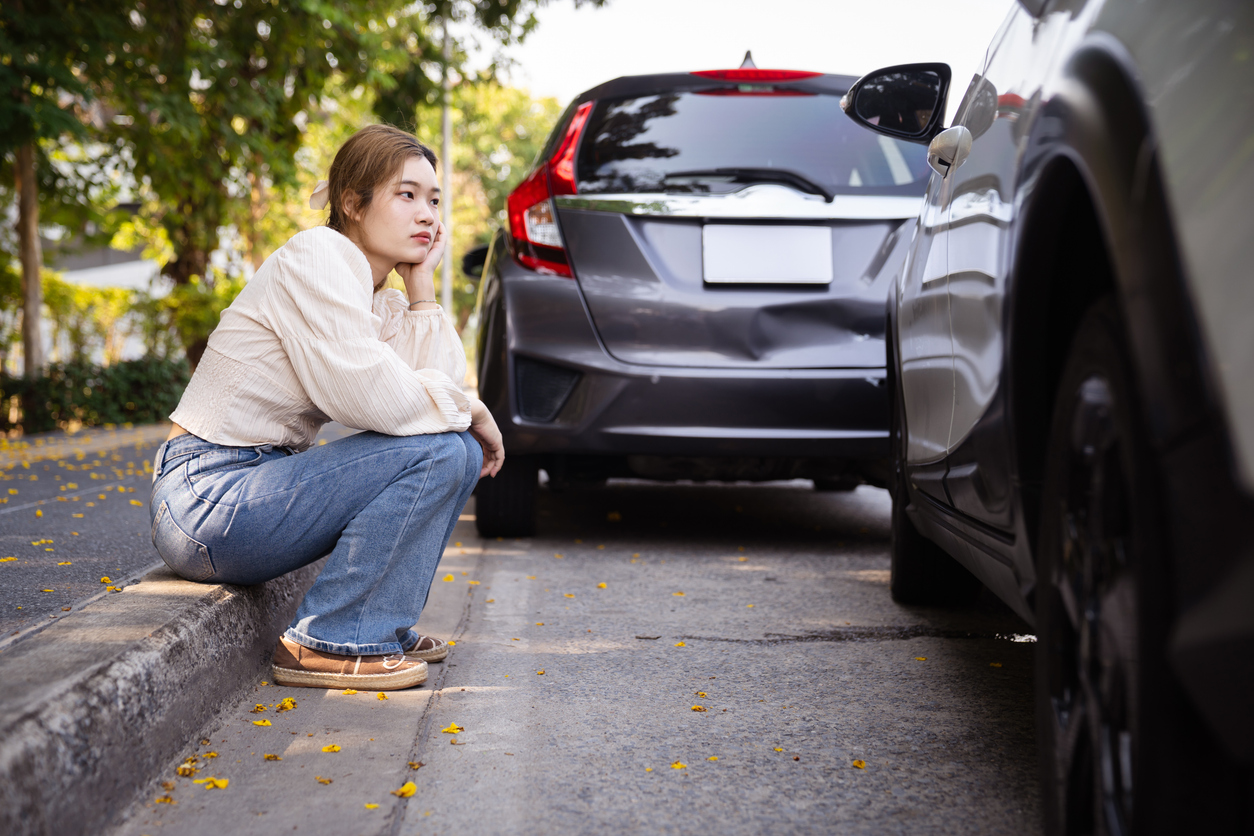
The State of Florida required people to call the police after an auto accident if damages were above the $500 range. Senate Bill 488 raises that threshold to $2000 and goes into effect tomorrow (October 1st, 2026).
Any crash that has bodily injury or death still requires those involved to call the police regardless of how much the vehicle damage is expected to be.
Florida’s Senate calls it an increase in “the amount of estimated damage resulting from a crash that is required to be reported to law enforcement,” and the new figure applies to crashes on or after the effective date. You can see the full law here
The new law states that those individuals involved in a crash where at least $2,000 damage is done to call police “immediately by the quickest means of communication give notice of the crash”. A failure to report is a noncriminal traffic infraction, punishable as a nonmoving violation.
The record reflects that the bill was supported overwhelmingly by lawmakers. The vote was 108-1. Although the rule went into effect immediately, October 1st was chosen as the day to make it publicly official.
The law requires individuals to use their best judgment to estimate damage and base their decision to call or not on that estimate. This does not require an individual to contact a body shop or mechanic for a quote. The estimation should be based on an individual’s best rough estimation.
$2,000 ads up quick in 2026. A dented bumper and trunk can easily surpass $2,000 in damage these days. However, something like a dented fender or cracked taillight by themselves wouldn’t be enough to call in most instances.
Minor crashes falling below the new reporting threshold can be documented via a driver self-report submitted online or by mail, while official crash reports remain accessible through the Florida Crash Portal. The legislation also clarifies that decorative license plate frames are permissible provided they do not obscure registration details, alongside updated regulations for new vehicle manufacturers entering the market. For more information, visit Florida Department of Highway Safety and Motor Vehicles.